
There’s a unique satisfaction that comes with fixing things around the house. Rolling up your sleeves can save you a quick buck and give you a great sense of accomplishment. But when it comes to your home’s HVAC and plumbing systems, knowing where to draw the line between a quick weekend project and a catastrophic callout is crucial.
In Arizona, a botched DIY AC repair can leave you baking in triple-digit heat, while a plumbing misstep can quickly flood your drywall.
To help you protect your home and your wallet, here is our ultimate guide to what you can safely handle on your own—and what absolutely requires a licensed expert from Pro Solutions Air.
5 Easy DIY Maintenance Tasks for Homeowners

These five tasks are completely safe for the average homeowner, require minimal tools, and go a long way toward extending the life of your equipment.
1. Replacing Your HVAC Air Filters
This is the single most important thing you can do for your air conditioner. In the desert, dust and dander build up quickly. A clogged filter chokes your system’s airflow, spiking your energy bills and risking a frozen evaporator coil.
Pro-Tip: Replace your filters every 30, especially in Arizona.
2. Clearing Obstructions Around the Outdoor AC Condenser
Your outdoor unit needs room to breathe to dump heat efficiently. Walk outside and inspect the perimeter of your condenser. Clear away any dead weeds, encroaching bushes, fallen branches, or windblown debris. Try to maintain at least a two-foot clear zone all the way around the unit.
3. Cleaning the AC Condensate Drain Line
When your AC runs, it pulls moisture out of the air. That water drains out via a small plastic PVC pipe. Over time, algae and slime can clog this line, causing water to back up and overflow into your home. Prevent this by pouring a cup of regular white vinegar down your condensate drain T-pipe every few months to kill off any budding algae growth.
4. Clearing Minor Sink or Tub Clogs (The Chemical-Free Way)
If your bathroom sink or shower is draining a little slow, you can usually clear it without picking up the phone. Skip the harsh, pipe-eating chemical drain cleaners and use a simple plastic zip-it tool or a standard cup plunger. Removing hair and soap scum buildup from the pop-up stopper fixes the issue 90% of the time.
5. Testing Your Water Heater’s Pressure Relief Valve
Your water heater has a safety device called a Temperature and Pressure (T&P) relief valve, usually located near the top. Once a year, lift the lever briefly to let a small amount of water flush out through the discharge pipe, then let it snap back. If water flows and stops cleanly when you release it, your valve is working. If it leaks continuously after testing, it’s time to call in a pro to replace it.
5 Things You Should NEVER Try Yourself

Some home projects carry heavy risks—including severe property damage, voided warranties, and personal injury. If you run into any of these five scenarios, put the toolbox away and call in the professionals.
1. Fixing an AC Refrigerant Leak
If your system isn’t cooling properly, it might be low on refrigerant. Tracking down a microscopic leak and handling chemical refrigerants requires specialized electronic leak detectors, gauges, and an EPA certification. It is illegal for unlicensed individuals to handle or purchase these chemicals, and guessing the levels can easily destroy your compressor.
2. Replacing AC Electrical Components (Like Capacitors)
Your outdoor AC unit relies on a high-voltage capacitor to kick-start the fan and compressor. These components store lethal amounts of electrical energy, even when the main breaker is turned completely off. One wrong move with a screwdriver can cause a severe electrical shock or short out your entire control board.
3. Cleanses or Repairs Involving Main Sewer Lines
When multiple drains in your house are backing up simultaneously, the issue isn’t in your sink trap—it’s deep inside your main sewer line.
Attempting to run a heavy-duty rented drain snake down a cleanout without proper training can easily crack old clay or cast-iron pipes, or get the cable permanently stuck underground.
4. Water Heater Replacements
Swapping out a water heater involves a complicated intersection of high-voltage electricity (or natural gas lines), high pressure, and building codes. An improperly installed water heater can result in gas leaks, carbon monoxide poisoning, or a ruptured tank that can completely flood your garage or home.
5. Any Gas Line Repairs or Modifications
Whether you suspect a leak or want to run a line for a new gas stove or outdoor grill, never DIY gas work. Natural gas is highly volatile. A minor mistake in threading or sealing a pipe can lead to fires or explosions. If you ever smell a rotten-egg odor in your home, leave immediately and call for professional emergency assistance.
The Golden Rule of Home Maintenance
If the task takes less than 20 minutes, uses basic hand tools, and doesn’t involve high voltage, toxic chemicals, or combustible gases, go for it! But if you find yourself staring at a complex setup feeling unsure, don’t risk your safety or your property.
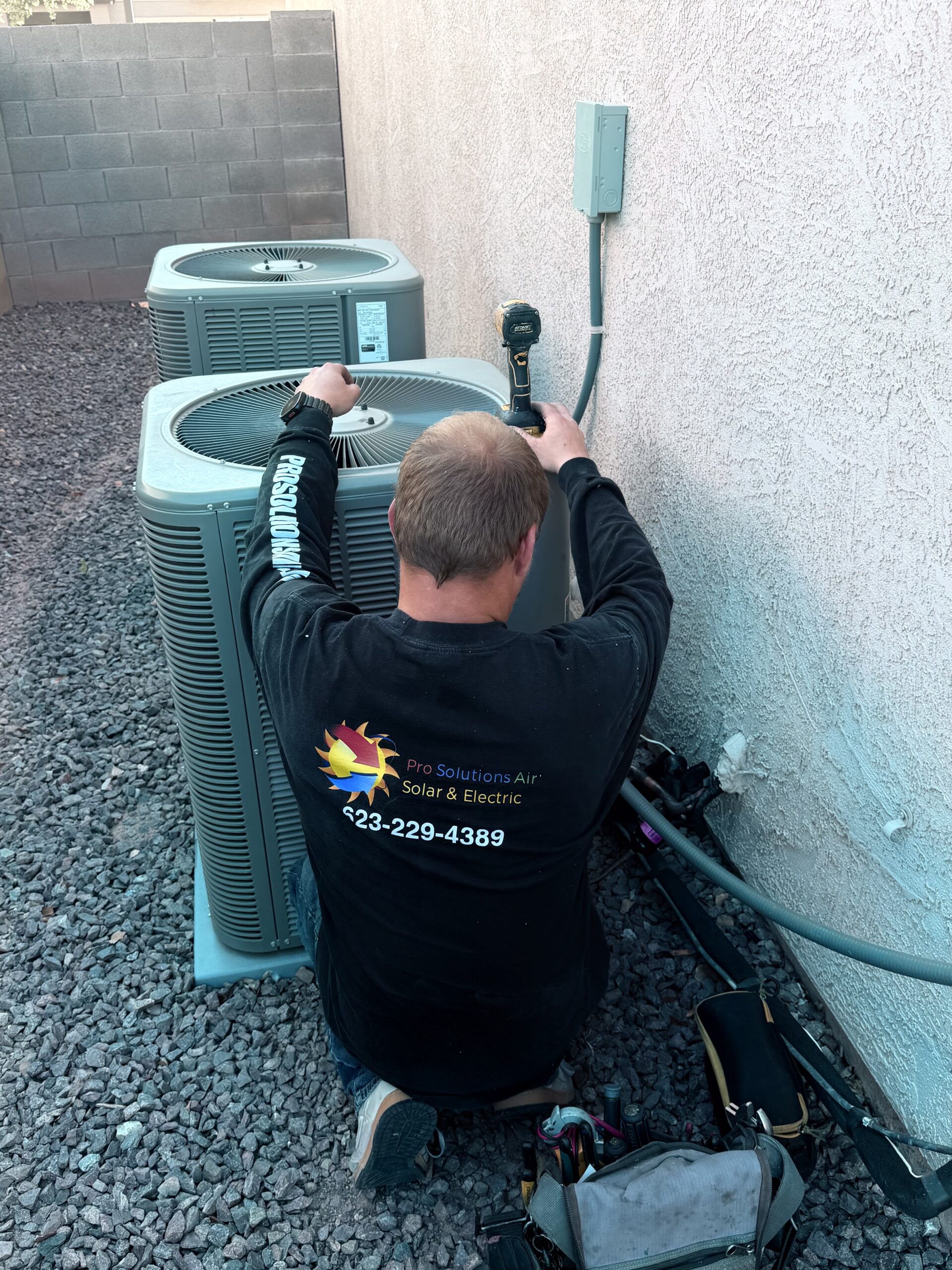
The best way to keep your home’s vital systems running perfectly without the stress is to stay ahead of the game. Joining a preventative plan, like our Pro Comfort Preferred or Pro Comfort Elite memberships, ensures your HVAC and plumbing get expert, professional tune-ups twice a year—keeping your warranties intact and catching tiny issues before they turn into costly disasters.