Why Is My Thermostat Not Reaching the Desired Temperature?
Few things cause immediate concern for a Surprise, Arizona homeowner like setting the thermostat to a comfortable 74°F on a blistering afternoon, only to watch the temperature display stall at 82°F.
When the desert heat pushes past 110°F, your air conditioner becomes the most essential system in your home. If your thermostat is not reaching the set temperature, it doesn't always mean your entire system has failed. Understanding why this happens, how to troubleshoot it, and when to call a local HVAC professional can help resolve the issue quickly.
1. Dust-Clogged Air Filters Restricting Airflow
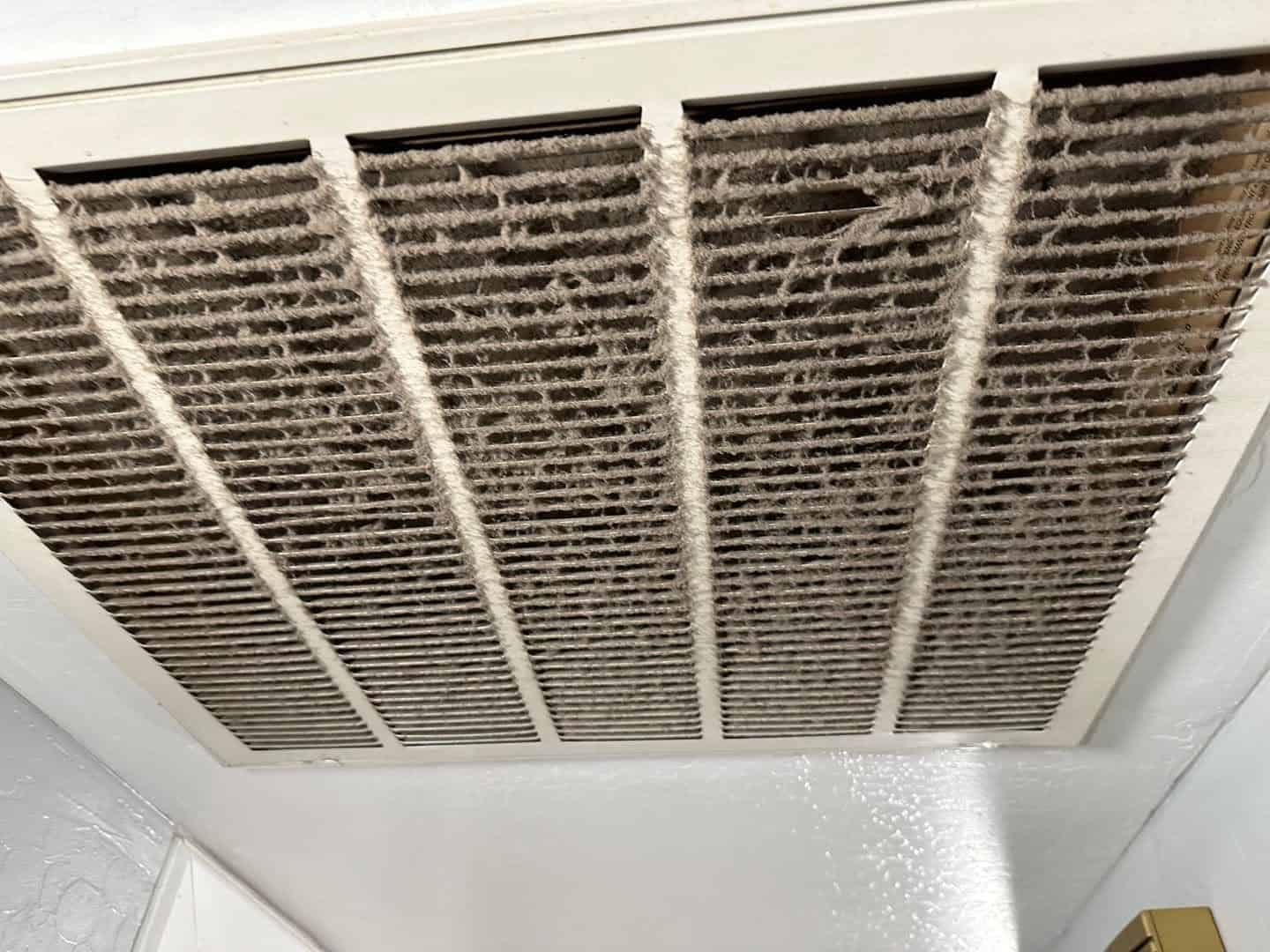
The West Valley's desert environment, frequent dust storms, and dry conditions lead to rapid airborne dust accumulation. A dirty air filter starves your air conditioner of airflow, forcing the system to work twice as hard to pull air through. This causes weak airflow from your vents, preventing cold air from circulating effectively to lower room temperatures.
Quick Fix: Inspect your air filter monthly during peak summer. If it looks grey, caked with dust, or opaque when held up to light, replace it immediately.
2. Incorrect Thermostat Settings or Placement
Sometimes the fix is as simple as checking your control board:
- Is the fan set to "ON" instead of "AUTO"? When set to "ON," the fan blows continuously—even when the cooling cycle turns off. In high humidity or extreme heat, this recirculates warm air back into your living space.
- Is your thermostat in direct sunlight? If your thermostat is mounted near a sunny window, hot kitchen appliance, or directly under a supply vent, it receives inaccurate readings. This misleads the system about the actual average temperature in your home.
3. Low Refrigerant Levels or System Leaks
Refrigerant is the vital chemical compound that absorbs heat from inside your home and dumps it outside. Constant thermal expansion during summer heat puts stress on copper refrigerant lines. If a micro-leak develops:
- The system runs continuously without producing icy air.
- Ice may form along the refrigerant lines or indoor coil.
- Hissing or bubbling noises may sound near the indoor air handler.
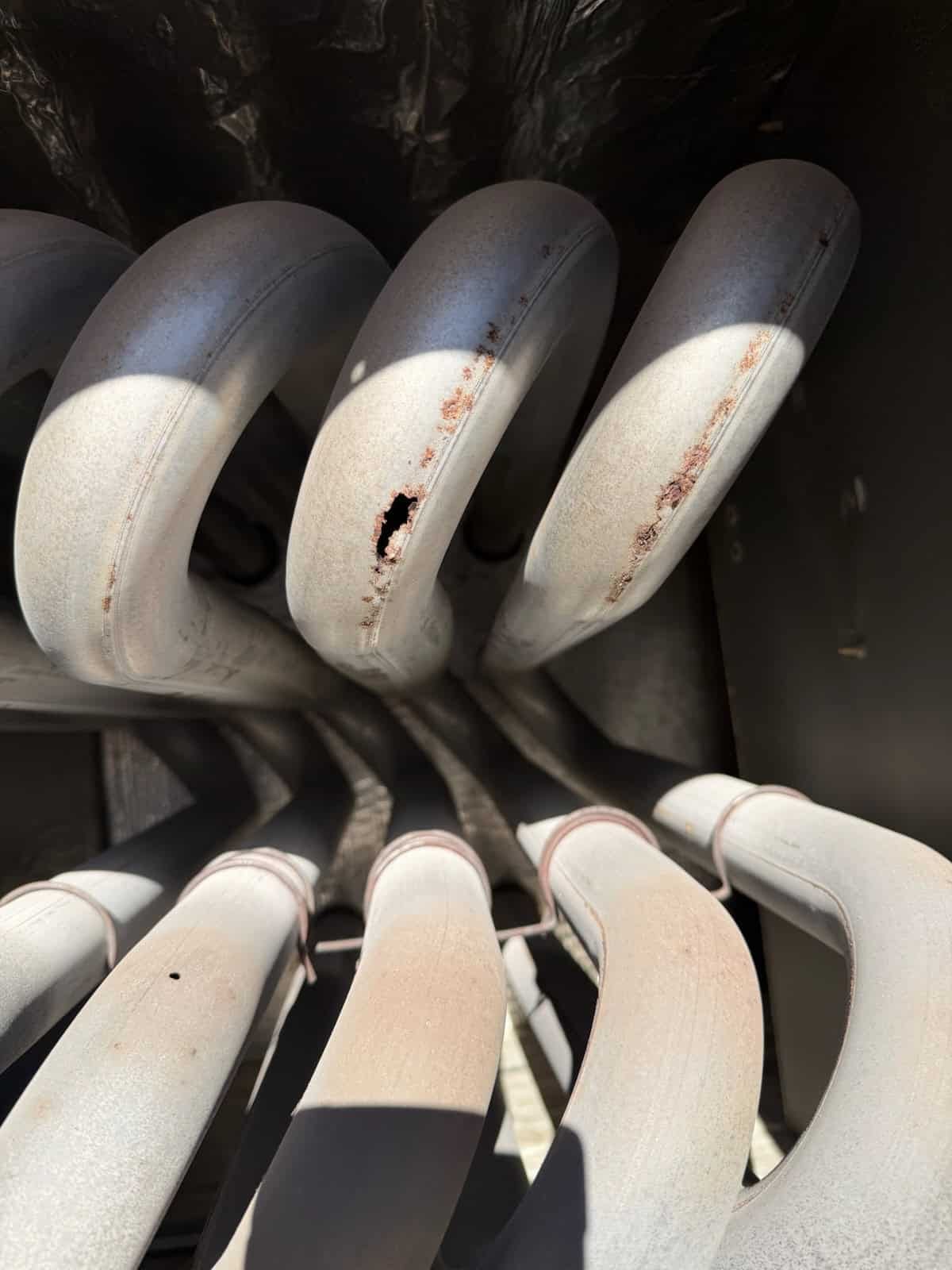
Refrigerant operates in a closed loop and should never drop under normal operation. Low refrigerant requires professional leak detection and a certified recharge.
4. Frozen Evaporator Coils
It may seem counterintuitive during an Arizona summer, but indoor AC coils can freeze solid. Reduced airflow from dirty filters, closed vents, or low refrigerant causes the coil temperature to drop below freezing. Condensation on the coil turns to ice, completely blocking airflow and halting the cooling process.
If you see ice build-up, turn your AC off at the thermostat and set the fan to "ON" to thaw the coil before calling for service.
5. Extreme Outdoor Temperatures & High Heat Load
Air conditioning systems are designed to achieve a maximum temperature difference—typically 18°F to 20°F below the outside temperature. When Surprise experiences prolonged spells over 115°F, expecting a 20-year-old AC unit to maintain 68°F puts extreme mechanical stress on the system.
If your unit is 10–12 years or older, declining compressor efficiency makes it difficult to overcome intense heat gain.
Top Questions Arizona Homeowners Ask About AC Performance
Why is my AC running constantly but the temperature isn't dropping?
This usually points to severely restricted airflow (such as a clogged filter), a dirty outdoor condenser coil that cannot release heat, low refrigerant, or an aging compressor struggling under extreme heat load.
How many degrees should an AC drop the temperature per hour in Arizona?
A well-maintained air conditioner generally cools a home by 1°F to 2°F per hour during peak outdoor heat. Expecting a rapid 10-degree drop during the hottest part of the afternoon is unrealistic for most residential units.
What temperature should I set my thermostat in the summer in Arizona?
The U.S. Department of Energy recommends setting thermostats to 78°F when you are home during the summer for an optimal balance of comfort and energy efficiency. Programmable or smart thermostats can help raise the temperature slightly while you are away to lower power bills.
Why is my air conditioner blowing warm air through the vents?
Warm air usually indicates that the indoor blower fan is running, but the outdoor unit (condenser) isn't turning on. This can stem from a tripped circuit breaker, a failed run capacitor, a faulty contactor, or a safety float switch triggered by a clogged drain line.
Get Reliable Air Conditioning Service in Surprise, AZ
If simple troubleshooting steps like changing the filter or verifying thermostat settings don't resolve the issue, continuing to run a struggling air conditioner can lead to major component failures or high utility bills.
The team at Pro Solutions Air Conditioning and Heating Inc. delivers accurate diagnostics, honest recommendations, and professional repairs across Surprise, Arizona, and surrounding West Valley communities.
Need fast, local service? Contact Pro Solutions Air Conditioning and Heating Inc. today at 623-232-8425 to restore comfort to your home.