Carbon Monoxide Alarms: Where They Belong in an Arizona Home
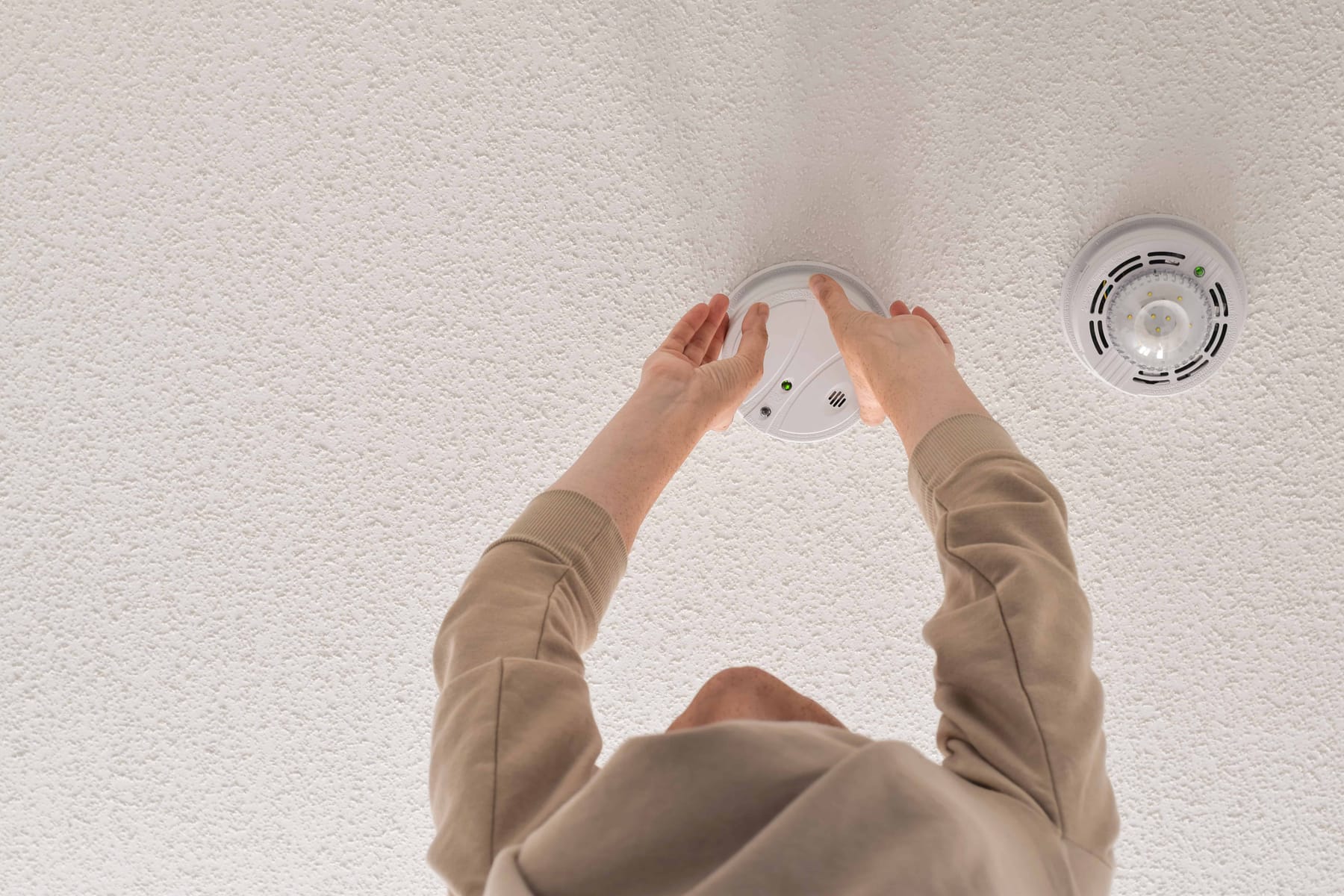
In an Arizona home, carbon monoxide (CO) alarms belong on every level of the house, in the hallway outside each sleeping area, and in or near any bedroom where someone sleeps with the door closed. If you have a gas furnace, gas water heater, gas range, fireplace or an attached garage, you need them. Mount each alarm where the manufacturer's instructions say, keep them clear of the appliances themselves, and replace them by the date printed on the back.
November is when this matters most: furnaces fire up for the first time in months and windows stay closed on cool nights.
Why carbon monoxide is a West Valley concern
Carbon monoxide is a gas you can't see, smell or taste. It's produced whenever fuel burns, so any appliance that burns natural gas, propane or wood can create it. When those appliances are working properly and venting correctly, the gas goes outside. When something goes wrong, such as a cracked heat exchanger, a blocked flue, a disconnected vent pipe or a car left running in the garage, it can build up indoors.
Many homes in Surprise, Sun City West, Sun City Grand and the surrounding communities have at least one CO source:
- Gas furnaces or gas package units that sit idle all summer and then run hard on winter nights
- Gas water heaters, often located in the garage or a closet near living space
- Gas ranges and ovens, which get heavy use around the holidays
- Fireplaces and gas logs
- Attached garages, where cars, generators and gas-powered yard tools are started up
Even an all-electric home can be exposed if it has an attached garage.
Where to put carbon monoxide alarms
Always follow your alarm's instructions, since placement guidance varies by model. These are the locations that matter in most homes.
Outside every sleeping area
This is the most important spot. CO poisoning is most dangerous when people are asleep and can't notice early symptoms. Put an alarm in the hallway outside each group of bedrooms, close enough that it will wake anyone sleeping behind a closed door. In a split floor plan, that usually means at least two alarms.
On every level of the home
Two-story homes need at least one alarm on each floor, including any finished basement or bonus room. Gas moves through a house with the air from your HVAC system, so an alarm on one floor doesn't protect the other.
Near the door to an attached garage
Place an alarm in the living space near the door that leads into the garage, not inside the garage itself. Arizona garage temperatures swing well outside the operating range of most household alarms.
Where not to put them
Avoid these spots:
- Right next to a furnace, water heater or range. Appliances can release a small puff of CO at startup. Most manufacturers recommend keeping alarms several feet away.
- In the kitchen or bathroom. Steam, cooking fumes and humidity can interfere with the sensor.
- Directly in front of a supply or return vent. Moving air can keep CO from reaching the sensor.
- In the garage, attic or on an outdoor patio. Summer heat in these spaces can damage the alarm and shorten its life.
Plug-in, battery or hardwired: which type is right?
- Battery-only alarms are the easiest to place anywhere. Many newer models have a sealed battery that lasts the life of the alarm.
- Plug-in alarms work well where there's an outlet at the right height. Choose one with a battery backup so it keeps working during a power outage, which is exactly when people run generators.
- Hardwired alarms are connected to your home's electrical system, usually with a battery backup. Interconnected models sound every alarm in the house when one detects CO, which is a big advantage in larger homes.
If you'd like hardwired or interconnected alarms added or replaced, our electrical team can help.
How to test and maintain your CO alarms
An alarm only helps if it works. Build these habits into your routine:
- Press the test button monthly. This confirms the horn and electronics are working.
- Replace batteries on schedule if your model uses replaceable ones. A chirping alarm usually means a low battery or an alarm that has reached the end of its life.
- Check the replacement date. CO sensors wear out. Look for the manufacture date or "replace by" date on the back and swap the whole unit when it's due.
- Dust them gently with a soft brush so desert dust doesn't clog the sensor.
Alarms are the backup. Maintenance is the first line of defense.
A CO alarm warns you that something has already gone wrong. Keeping fuel-burning equipment in good shape helps prevent the problem in the first place. Before the heating season gets going, have your gas furnace or package unit inspected. A technician can check the heat exchanger for cracks, confirm the vent pipes are intact and drafting correctly, and verify clean burner operation. Learn more about our furnace maintenance and why gas heating systems need regular care.
Your gas water heater deserves the same attention. A loose or rusted vent connector or a backdrafting flue can push exhaust into the garage or a closet. Our plumbing team can look over your water heater's venting while checking its overall condition. A maintenance membership keeps your heating and cooling service on a regular schedule.
What to do if your CO alarm goes off
- Get everyone, including pets, outside to fresh air right away. Don't stop to open windows or look for the source.
- Call 911 or your gas utility's emergency line from outside the home.
- Don't go back inside until emergency responders say it's safe.
- Have the source found and repaired before using the appliance again. If your furnace or water heater is involved, call a qualified technician for heating repair or plumbing service.
Seek medical attention if anyone has headaches, dizziness, nausea or confusion.
Frequently asked questions
Do I need a carbon monoxide alarm if my home is all-electric?
With no fuel-burning appliances, fireplace or attached garage, your risk is much lower. But most West Valley homes have an attached garage, and generators or gas tools used nearby can be a source, so an alarm near the garage door and one outside the bedrooms is still a smart choice.
How high on the wall should a CO alarm be mounted?
Carbon monoxide mixes with the air in a room, so it doesn't rise to the ceiling the way smoke does. Some models are designed for the ceiling, others for the wall or an outlet. Follow the height and placement printed in your alarm's instructions, and keep it where you can reach it for monthly testing.
Can a smoke alarm detect carbon monoxide?
Only if it's labeled as a combination smoke and CO alarm. A standard smoke alarm will not sense carbon monoxide. Check the label on the front or back of each unit to see what it detects.
My CO alarm keeps chirping. Is that an emergency?
A short chirp every minute or so usually means a low battery or an alarm that has reached its end of life, not a CO detection. A CO alarm typically sounds a loud, repeating pattern. Check your manual to be sure. If you're ever unsure, treat it as an emergency, get outside and call for help.
Get your heating system checked before the cold sets in
CO alarms in the right places, plus a heating system that's been inspected, give your household solid protection all winter. If you'd like your furnace, gas package unit or water heater looked over, or you want hardwired alarms installed, call Pro Solutions Air at (844) 943-6498. We're based at 28535 N 172nd Dr in Surprise.