Get Your Heater Checked Before Thanksgiving: A West Valley Pre-Holiday Checklist
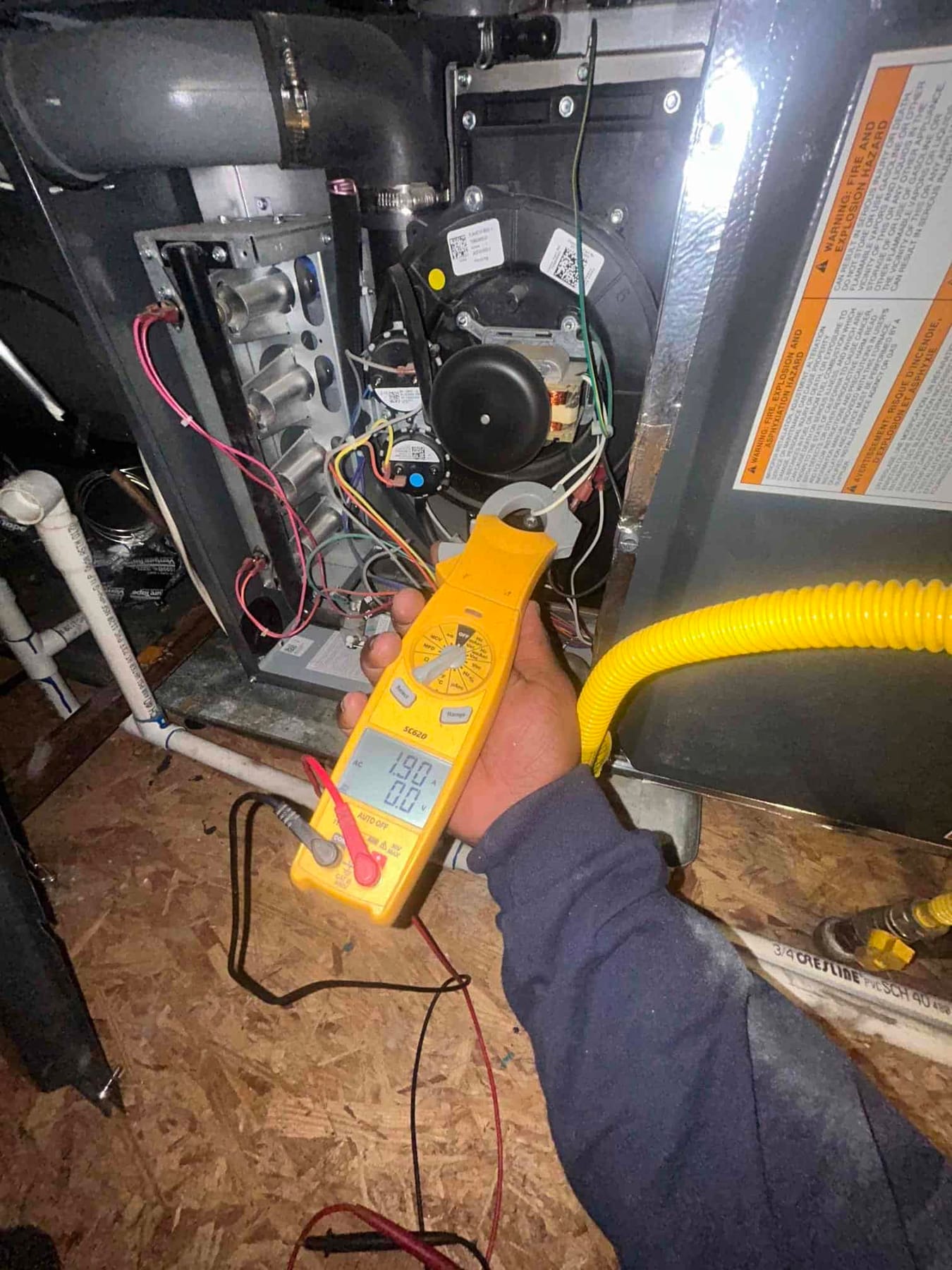
The best time to have your heater checked before Thanksgiving is now, in the first half of November, before the first real cold snap and before a house full of guests puts it to work. A professional heating check, paired with a few simple tasks you can do yourself, catches worn igniters, dirty filters and safety problems while there is still plenty of time to fix them. Use the checklist below to get your West Valley home ready for the holiday.
Why November is the right time in the West Valley
In Surprise and the surrounding West Valley, heaters sit idle for most of the year. Then a cold front rolls through in late November, overnight temperatures drop, and thousands of homes turn on the heat for the first time in months. Parts that have been sitting all year, like igniters, flame sensors, capacitors, blower motors and heat strips, are most likely to show a problem in those first few runs.
The timing matters for another reason, too. Thanksgiving week is a busy stretch for every heating and cooling company in the Valley, because the first cold nights and the holiday arrive together. Scheduling earlier in the month means you choose the appointment day instead of waiting on one,.
Your pre-Thanksgiving heater checklist
These are the steps homeowners can safely handle themselves. None of them require opening the furnace cabinet or touching gas or electrical parts.
1. Replace or check the air filter
A clogged filter is one of the most common reasons a heater runs long, shuts itself off on a high-limit safety, or blows weak air. Put in a fresh filter of the correct size before you test the heat. If you would rather not keep track of monthly changes, read about our once-a-year air filter option.
2. Test the heat a week or more ahead
Do not wait until Thanksgiving morning to find out whether the heat works. Switch the thermostat to heat, set it a few degrees above room temperature, and let the system run for a full cycle. You should feel warm air at the vents within a few minutes. A brief dusty smell the first time is normal; our article on why your heater smells funky the first time you turn it on explains what to expect.
3. Check the thermostat
- Replace the batteries if your thermostat uses them, especially if the display is dim or blank.
- Confirm it is set to heat, not cool or off, and that any schedule reflects the days you will have company.
- If you have a heat pump, learn which setting is normal heat and which is emergency or auxiliary heat so no one switches it by mistake.
4. Open vents and clear return grilles
Walk through every room, including guest rooms and offices that have been closed up. Open supply vents, and move furniture, rugs, holiday decorations and storage boxes away from vents and the main return grille.
5. Clear the area around the equipment
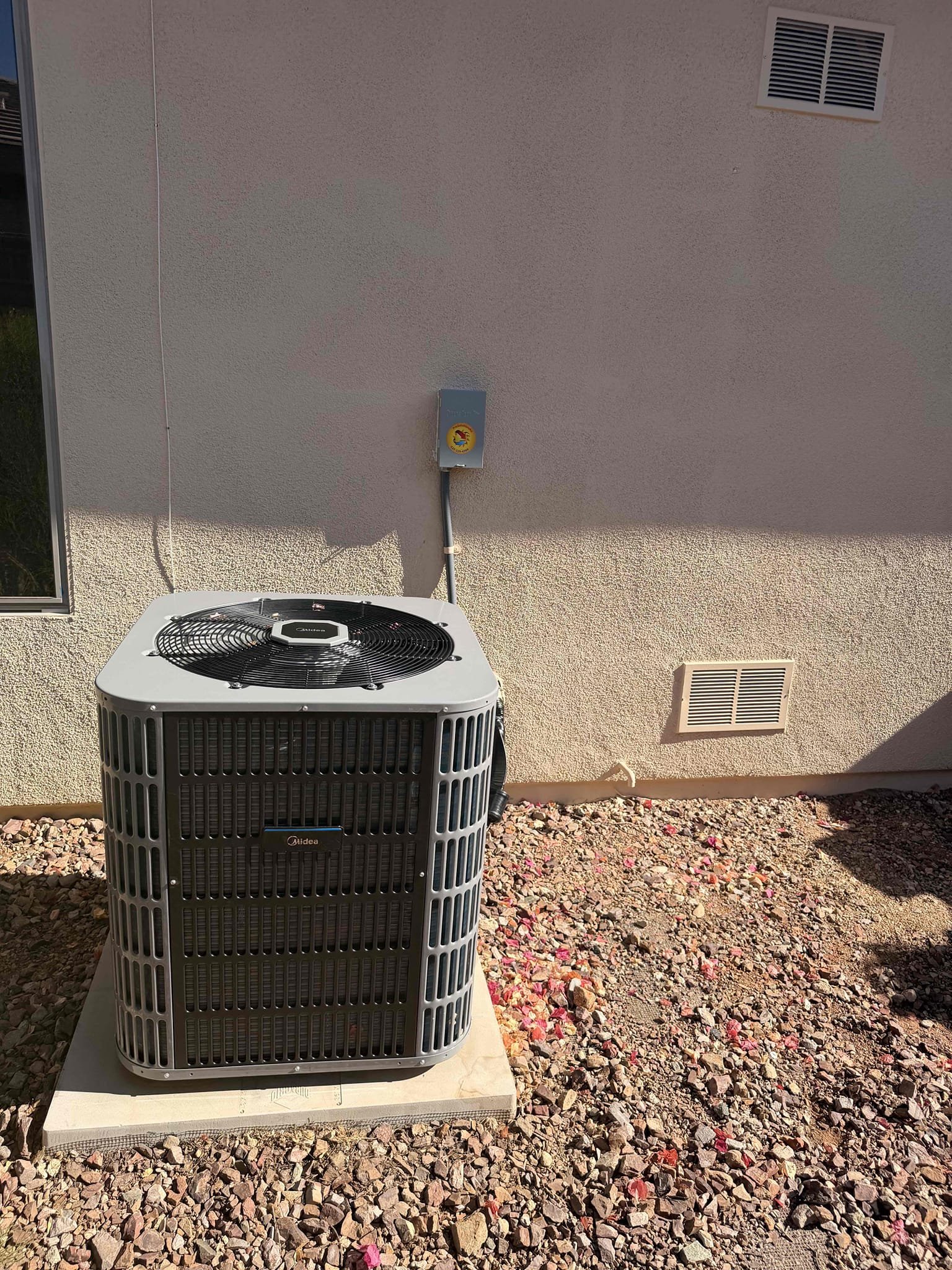
If your furnace or air handler is in a closet, garage or attic, keep the space around it open. Do not store paint, cleaning products, holiday décor or cardboard near a gas furnace or water heater. For package units and heat pumps outside, clear away leaves, yard debris and anything leaning against the cabinet.
6. Test smoke and carbon monoxide alarms
Press the test button on every smoke alarm and carbon monoxide alarm, and replace batteries as needed. Homes with gas furnaces, gas water heaters, gas ranges or an attached garage should have working CO alarms near sleeping areas.
7. Listen and watch on the first runs
Pay attention to how the system sounds and behaves. Short cycling, repeated clicking without ignition, banging, grinding, a burning-plastic smell that does not fade, or a tripped breaker are all signs to stop and call a professional rather than keep resetting the system. If the system runs but the air feels cool, see heater blowing cold air: causes and fixes.
What a professional heating check covers
The homeowner checklist handles the basics, but the items that matter most for safety and reliability are inside the equipment. A technician's furnace maintenance visit typically includes:
- Gas furnaces and gas packs: inspection of burners, ignition and flame sensor, a look at the heat exchanger for cracks or corrosion, gas connection checks and carbon monoxide safety checks.
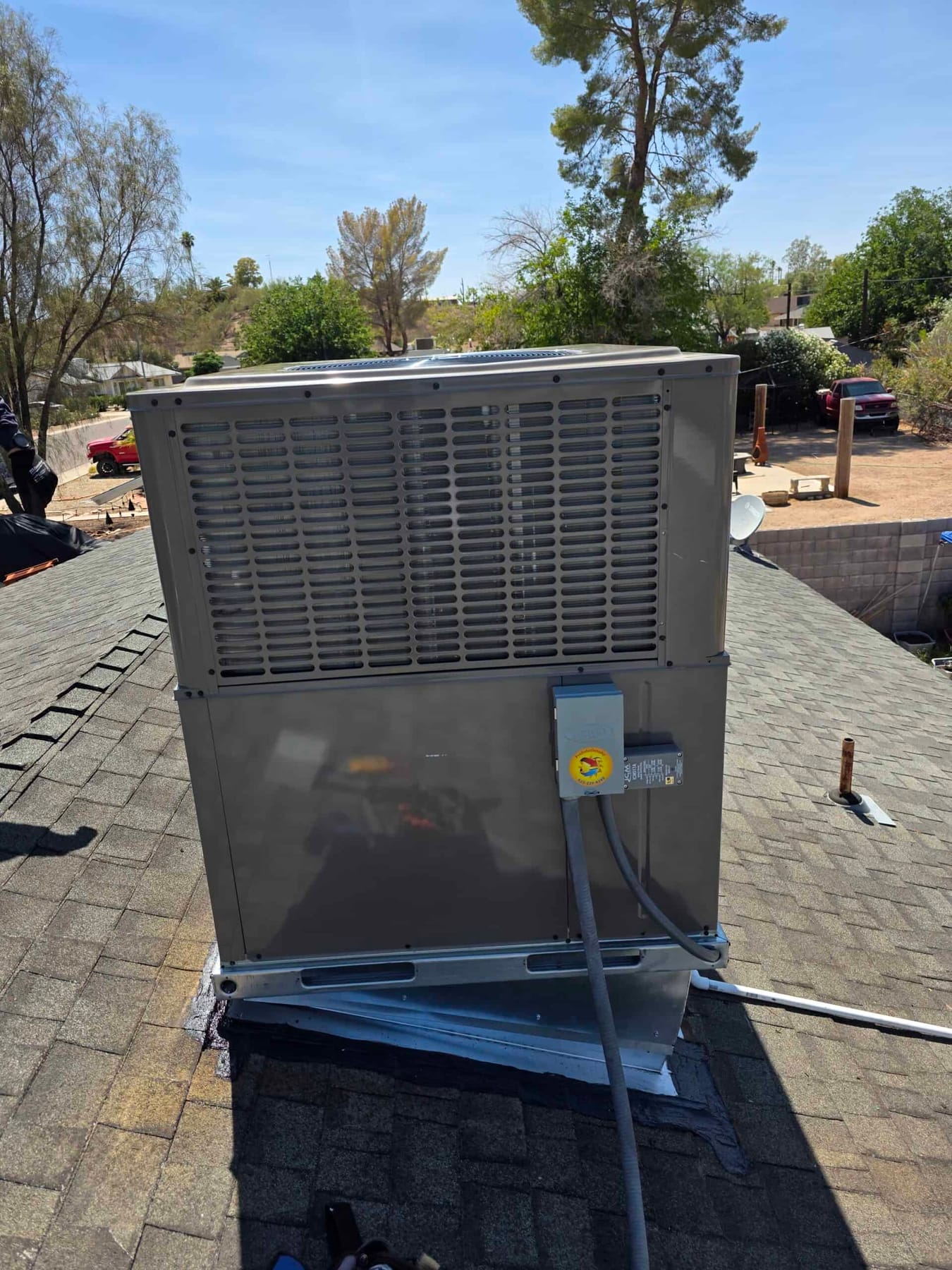
- Heat pumps: checks of the reversing valve, defrost operation, refrigerant performance in heating mode and backup heat strips.
- All systems: blower motor and capacitor testing, safety and limit switch checks, electrical connection tightening, airflow measurement and thermostat calibration.
Our page on heating tune-ups before the holidays walks through what is included in more detail. Members of our maintenance memberships can get their heating visit on the calendar early.
Don't forget the rest of the house
Thanksgiving puts extra demand on more than the heater. A few quick checks can save you from a holiday service call:
- Water heater: More guests means more showers and more dishes. If your water heater is noisy or runs out of hot water quickly, sediment may be the cause. See our guide to flushing your water heater before winter.
- Drains and disposal: Keep grease, bones and starchy peelings out of the kitchen drain and disposal. Learn more about our plumbing services.
- Electrical: If holiday lights or space heaters trip breakers, have our electrical team take a look.
Signs you should book a repair, not just a tune-up
Some problems should not wait for a routine visit. Turn the system off and call for service if you notice:
- A carbon monoxide alarm going off, or a gas smell near the furnace or water heater (leave the home and call your gas utility first).
- No heat at all, or the system starts and stops within a minute or two.
- A strong burning smell that lingers after the first few minutes of running.
- Visible scorch marks, soot, or water pooling around the equipment.
Our heater not working page covers common causes, and our heating repair service handles everything from igniters to heat pump repairs. For typical repair pricing, see the AC and heating repair cost guide.
Frequently asked questions
How far before Thanksgiving should I schedule a heating check?
Aim for one to three weeks ahead. That leaves time to order and install a part if the technician finds one that is worn, and it avoids the busy days right before the holiday when the first cold nights hit.
My heater worked fine last winter. Do I still need it checked?
Yes, it is still a good idea. Heaters in the West Valley sit unused for many months, and parts like igniters, flame sensors and capacitors can weaken during that time without any warning.
Do heat pumps need a pre-winter check too?
They do. A heat pump uses the same compressor and fan for heating that it uses all summer for cooling, so it has already worked hard this year. A check confirms the reversing valve, defrost controls and backup heat strips are working before you rely on them.
Is it safe to use space heaters for overnight guests?
Use them carefully. Plug space heaters directly into a wall outlet, not an extension cord or power strip, keep them well away from bedding and curtains, and never leave them running unattended.
Get your heater ready before the guests arrive
Pro Solutions Air helps homeowners in Surprise and across the West Valley get their heating systems ready for the holidays, from gas furnaces and package units to heat pumps. Call us at (844) 943-6498 to schedule your heating check before Thanksgiving.