Heat Pump Emergency Heat (EM Heat): What It Does and When to Use It
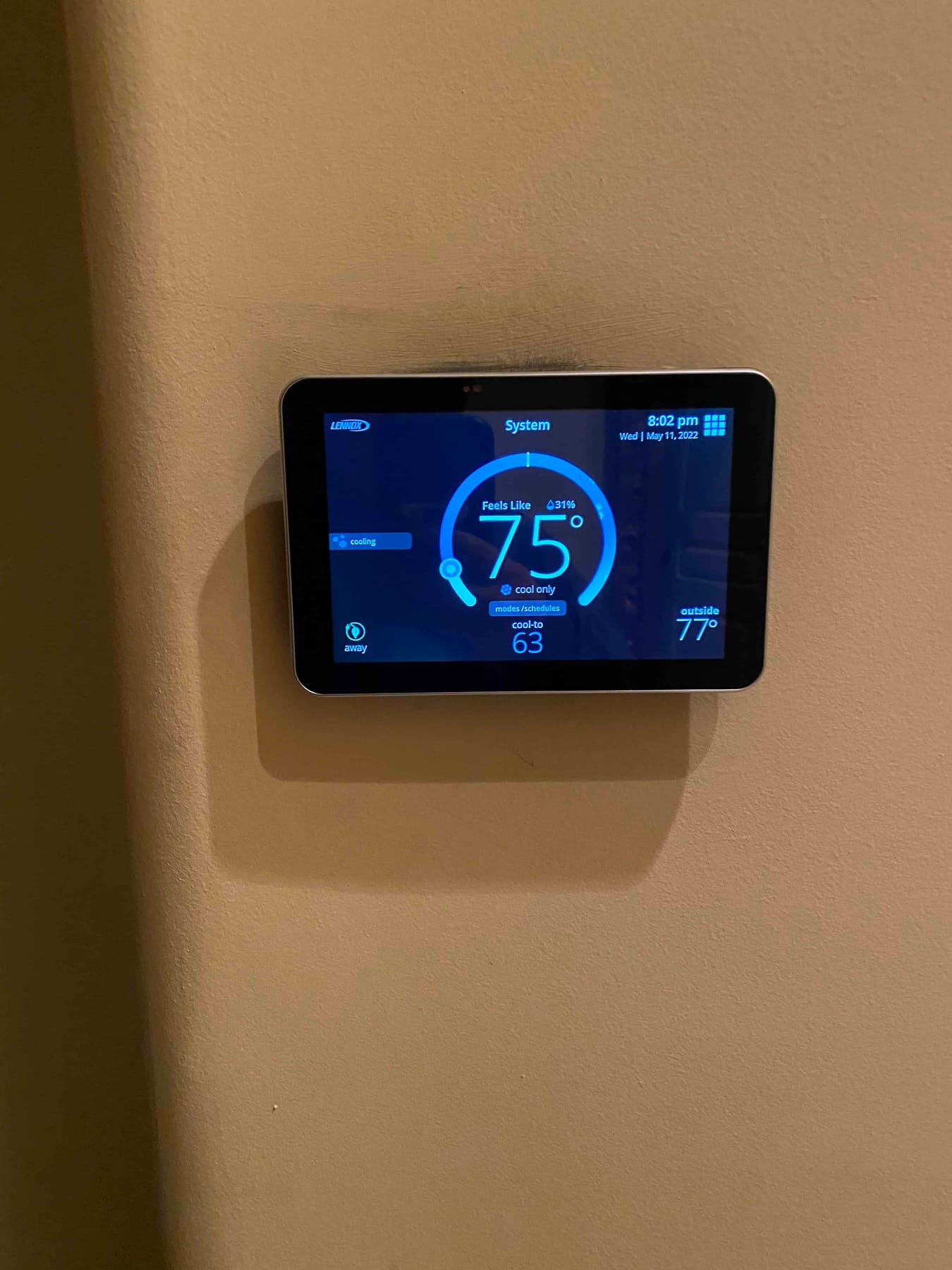
Emergency heat, shown as EM HEAT or Emergency on many thermostats, shuts off your heat pump's outdoor unit and heats the house with backup heat alone, usually electric heat strips in the indoor air handler. It is meant for one situation: the heat pump itself has stopped working or is damaged, and you need warmth until it is repaired. In the West Valley's mild winters, most homeowners should almost never need it, and if you find yourself switching to EM heat, that is usually a sign your heat pump needs repair.
Emergency heat vs. auxiliary heat: what's the difference?
Most heat pumps have two ways of using the same backup heat source, and the names on the thermostat can be confusing.
- Auxiliary heat (AUX) turns on automatically. The thermostat or control board brings on the heat strips to help the heat pump when it needs a boost, such as during a defrost cycle, on a colder morning, or when you raise the set temperature a lot at once. The heat pump keeps running alongside it.
- Emergency heat (EM HEAT) is a setting you choose by hand. It locks out the outdoor unit completely, so the compressor does not run at all, and the backup heat does all the work until you switch it back.
Seeing "AUX" on the display now and then is normal. Seeing "EM" means someone selected it, and the system will stay that way until it's changed back to regular heat.
Why emergency heat costs more to run
A heat pump doesn't make heat. It moves heat from the outdoor air into your home, which is why it is such an efficient way to heat a house in a climate like ours. Electric heat strips work more like a large toaster: they turn electricity directly into heat. That works fine, but it uses noticeably more electricity to deliver the same warmth.
So emergency heat is a short-term fallback, not a setting to leave on for comfort. Running it for days or weeks can show up on your electric bill. If you have a dual-fuel system with a gas furnace as the backup, EM heat runs the furnace instead, so the cost difference depends on your setup.
When it makes sense to switch to emergency heat
Use EM heat when the outdoor unit can't or shouldn't run, and you need heat while you wait for a technician. Common examples:
- The outdoor unit is physically damaged, such as a bent fan blade, a fallen branch, or damage from a storm or vehicle.
- The outdoor unit is making a loud grinding, screeching or banging noise. Shutting it off can help prevent further damage to the compressor or fan motor.
- The outdoor coil is covered in thick ice that won't clear after a few hours. Light frost and a short defrost cycle are normal; a solid block of ice is not. Our post on how heat pump defrost mode works explains what normal looks like.
- The outdoor unit's breaker keeps tripping. Don't keep resetting it. Leave it off, switch to EM heat, and call for service.
- The outdoor unit isn't running at all and the house is getting cold, after you've checked the thermostat settings and the breaker.
When not to use emergency heat
- Just because it's cold out. West Valley winters are well within what a working heat pump handles. On the coldest mornings the system's own auxiliary heat steps in automatically.
- To warm the house up faster. It won't heat much faster, and it costs more. Raise the temperature a few degrees at a time instead.
- When the heat pump is blowing lukewarm air. Air from a heat pump often feels warm rather than hot, and that's expected. If the air is truly cold for a long time, see our guide to a heater blowing cold air.
How to switch to emergency heat (and back)
Every thermostat is a little different, so check your owner's manual or the thermostat's menu. In general:
- Set the system mode to EM HEAT, Emergency or Em Heat. On some smart thermostats it sits under the heating settings rather than on the main screen.
- Set a moderate temperature and leave it there.
- Once the heat pump is repaired, switch the mode back to regular HEAT (or AUTO if you use it). This is easy to forget, and the system will keep running on backup heat until you do.
If you switch to EM heat and get no warm air at all, the backup heat may also have a problem, such as a failed heat strip, a tripped breaker for the air handler, or a control issue. Turn the system off and call a technician.
Signs your heat pump needs repair, not just EM heat
Emergency heat is a bridge, not a fix. Call for service if you notice:
- The display shows "AUX" running most of the time on mild days.
- The outdoor unit hums but the fan doesn't spin, or it starts and stops over and over.
- Ice that keeps coming back, or a defrost cycle that seems to happen constantly.
- Higher electric bills than last winter with no change in how you use the system.
- Rooms that never reach the set temperature in heat mode.
Finding heat pump repair near you in Surprise and the West Valley
If you've had to switch to emergency heat, the sooner the heat pump is diagnosed, the sooner you're back to efficient heating. Pro Solutions Air is based in Surprise and provides heat pump repair across the West Valley, including Surprise, Sun City West, Sun City, Peoria, El Mirage, Glendale, Waddell, Youngtown, Goodyear, Litchfield Park, Avondale and Buckeye. A technician will check the outdoor unit, refrigerant circuit, reversing valve, defrost controls, backup heat and thermostat wiring to find out why the heat pump stopped doing its job. For a look at typical repair costs, see our AC and heating repair cost guide.
Many of the problems that send people to EM heat start small. Regular heat pump maintenance catches worn parts, dirty coils and weak electrical components before they leave you without heat, and our maintenance plans keep that service on a schedule.
Frequently asked questions
What does emergency heat do on my thermostat?
It turns off the heat pump's outdoor unit and heats your home using only the backup heat source, usually electric heat strips or, on dual-fuel systems, a gas furnace. It's meant for times when the heat pump is broken or damaged.
Is it bad to run my heat pump on emergency heat?
It won't hurt the system, but it costs more to run because electric heat strips use more electricity than the heat pump to deliver the same heat. Use it only until the heat pump is repaired, then switch back to regular heat.
Why does my thermostat say "aux heat" when I didn't turn it on?
Auxiliary heat comes on automatically to help the heat pump, such as during a defrost cycle or when you raise the temperature several degrees at once. That's normal. If it runs most of the time on mild days, have the heat pump checked.
Should I use emergency heat when it's cold in Arizona?
Usually not. Winter temperatures in Surprise and the rest of the West Valley are within what a working heat pump handles, and the system will bring on auxiliary heat by itself when it needs help. Save EM heat for when the outdoor unit isn't working.
Stuck on emergency heat? We can help
If your heat pump has stopped heating or you've had to switch to EM heat, call Pro Solutions Air at (844) 943-6498. Our phones are answered 24/7, and we'll get your heat pump diagnosed and back to normal heating.